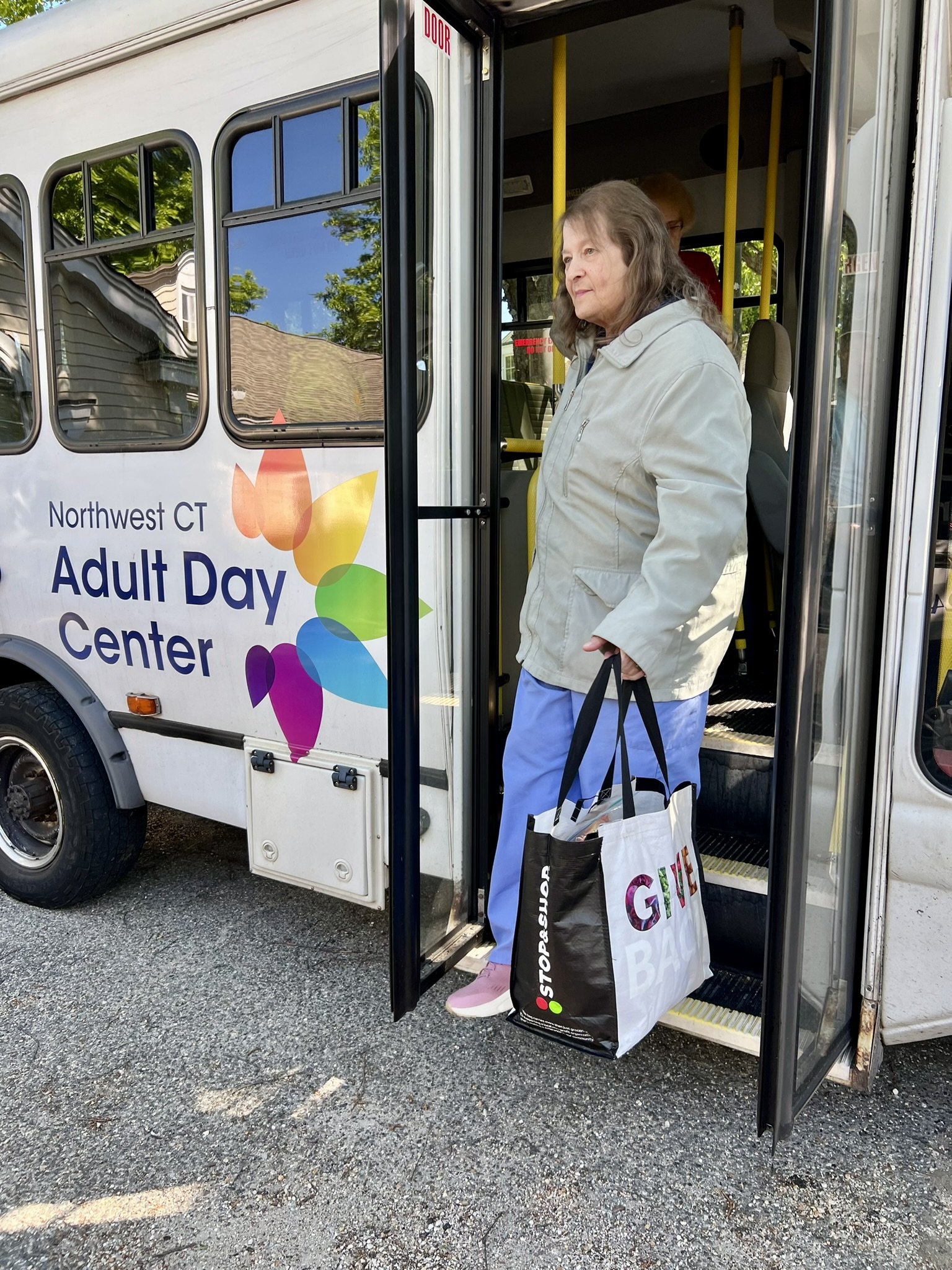
A diagnosis of mild dementia does not automatically mean a person needs residential memory care. Many adults remain active, conversational and able to enjoy familiar routines, yet may no longer feel comfortable spending long stretches of the day alone. They may forget meals, become isolated, repeat questions, lose confidence with household tasks or need reminders and reassurance.
That middle stage can be difficult for families. A loved one may need more support than occasional check-ins provide, but far less than around-the-clock residential care. A structured adult day program can help bridge that gap without requiring the person to move away from home.
What Does Mild Dementia Look Like Day to Day?
Dementia affects people differently. “Mild” describes the level of support a person may need; it does not make the changes insignificant. The federal Alzheimer’s and related dementias resource center explains that dementia can affect memory, thinking, reasoning and behavior. Families often notice practical changes before they begin looking for daytime care.
Changes a family may notice
- Repeating questions or forgetting recent conversations
- Difficulty planning meals or following multi-step tasks
- Less interest in hobbies, outings or social contact
- Confusion about dates, appointments or daily routines
- Anxiety when a familiar caregiver leaves
What may still be possible
- Enjoying music, crafts, conversation and gentle movement
- Eating independently or with limited reminders
- Participating safely in a supervised group setting
- Following simple directions and familiar routines
- Returning home after the daytime program
If reduced social contact is the first major change you have noticed, see the related guide: “My Elderly Parent Is Lonely—15 Signs It’s Affecting Their Health.”
Why Adult Daycare Can Work Well for Mild Dementia
Adult daycare is nonresidential. Members attend during the day and return home afterward. According to Alzheimers.gov, adult day centers and respite services can provide day-to-day support for a person with dementia while allowing the caregiver to take a break. Depending on the program, support may include supervision, meals and transportation.
For a person living with mild dementia, the value is often consistency. A predictable day, familiar staff and activities matched to the person’s abilities can make the hours feel purposeful rather than empty. Adult daycare does not treat or cure dementia, but it can provide a safer and more socially connected routine.
- Social connection: conversation and shared activities reduce long periods of isolation.
- Daily structure: a consistent schedule can be easier to follow than an unplanned day at home.
- Meaningful engagement: games, music, crafts and movement offer achievable ways to participate.
- Daytime supervision: trained staff are present while family caregivers handle other responsibilities.
- Caregiver respite: families gain dependable time without leaving their loved one alone.
Is Northwest CT Adult Day Center the Right Fit?
Northwest CT Adult Day Center is a nonprofit, social-model adult day center located at 409 Bantam Road in Litchfield. The program accommodates individuals with mild to moderate dementia, subject to an assessment of the person’s needs, abilities and safety in a group environment.
A visit and conversation with the team are important because a diagnosis alone does not determine fit. Two people with “mild dementia” may have very different communication, mobility, behavioral or personal-care needs.
| Family situation | Why adult daycare may help | What to discuss before enrollment |
|---|---|---|
| Early or mild dementia with growing isolation | Provides companionship, activities and a dependable weekly routine | Interests, preferred schedule and comfort in groups |
| Mild to moderate memory loss with daytime supervision needs | Offers a secure setting while the family caregiver works or rests | Mobility, medication reminders, personal-care needs and behaviors |
| Advanced needs or unsafe behaviors | A social-model day program may not provide the required level of care | Ask the physician or care manager about medical, one-to-one or residential options |
What Happens During the Day?
The goal is not to keep members busy for the sake of being busy. A strong dementia day program creates opportunities for success, connection and enjoyment. At NWCT, the day may include:
Activities and socialization
Games, puzzles, crafts, music, conversation, special guests and appropriate community outings encourage participation without forcing it.
Wellness and movement
Gentle, multi-ability movement and cognitive activities help members stay involved at a level that feels manageable.
Breakfast and lunch
Members receive a light breakfast and catered lunch, creating both nourishment and a familiar social routine.
Door-to-door transportation
Transportation may reduce the practical burden on caregivers and is included in the current private-pay rate, subject to route availability.
Cost, Hours and Financial-Assistance Resources
NWCT’s current private-pay rate is $110 per day. Transportation, a light breakfast and lunch are included. Member hours are Monday through Friday, 9 a.m. to 2 p.m., and flexible scheduling is available subject to enrollment and capacity. Families should call to confirm current rates, schedule options and transportation availability.
Financial help may be available. Connecticut programs have eligibility rules based on factors such as age, diagnosis, care needs and finances. The Connecticut Home Care Program for Elders may include adult day health services for eligible residents. The state’s Statewide Respite Care Program also supports qualifying caregivers of people with Alzheimer’s disease or related dementias. NWCT can help families identify questions to ask, but the administering program determines eligibility.
For a more detailed cost comparison, read NWCT’s guide to affordable adult day care in Connecticut.
Serving Litchfield and Northwest Connecticut Families
The center is based in Litchfield and supports families across Litchfield County and the northwest corner of Connecticut. Transportation coverage depends on the member’s address, schedule and current route availability.
How to Know Whether It Is Time to Schedule a Visit
You do not have to wait for a crisis. A visit may be worthwhile when your loved one is spending most days alone, losing interest in familiar activities, becoming anxious without the primary caregiver or needing a safer daytime routine. It may also be time when caregiving responsibilities are making it difficult to work, attend appointments or rest.
Bring questions about the person’s diagnosis, current routine, mobility, communication, medications, transportation and preferred activities. The purpose of the visit is not to pressure the family into enrollment. It is to determine whether the program can safely meet the individual’s needs and whether the person feels comfortable in the environment.
Frequently Asked Questions
Does NWCT accept adults with mild dementia?
Yes. Northwest CT Adult Day Center accommodates adults with mild to moderate dementia after reviewing the individual’s needs and determining that the program is an appropriate and safe fit.
Is adult daycare only for people with advanced dementia?
No. Adult daycare can be especially useful during mild or moderate stages, when a person can still enjoy a group setting but benefits from structure, socialization and daytime supervision.
How many days per week can someone attend?
Families may choose a flexible schedule based on their needs, available space and transportation. Call the center to discuss preferred days and current availability.
What does adult daycare cost in Litchfield, CT?
NWCT’s current private-pay rate is $110 per day and includes transportation, a light breakfast and lunch. Contact the center to confirm current pricing and whether financial-assistance resources may apply.
Can adult daycare replace medical or residential dementia care?
No. NWCT is a social-model adult day center, not a hospital or residential memory-care facility. People who need continuous medical care, extensive one-to-one assistance or overnight supervision may require a different level of care.
How do I arrange a tour?
Call (860) 567-2402 or use the contact page to request more information and schedule a visit.
See Whether NWCT Is the Right Fit for Your Family
Talk with the team about mild dementia support, activities, scheduling, transportation and the next steps for visiting the center in Litchfield.
This article provides general educational information and is not medical advice. A physician or qualified care professional should evaluate changes in memory, behavior or safety.