My Elderly Parent Is Lonely – 15 Signs It’s Affecting Their Health
Loneliness in seniors is one of the most overlooked health risks today.
If you're noticing changes in your parent, it may not be aging—it may be social isolation.
Why Loneliness Is Dangerous for Seniors
Loneliness can lead to:
Depression
Memory decline
Increased risk of dementia
Higher risk of hospitalization
In many cases, it’s just as harmful as physical illness.
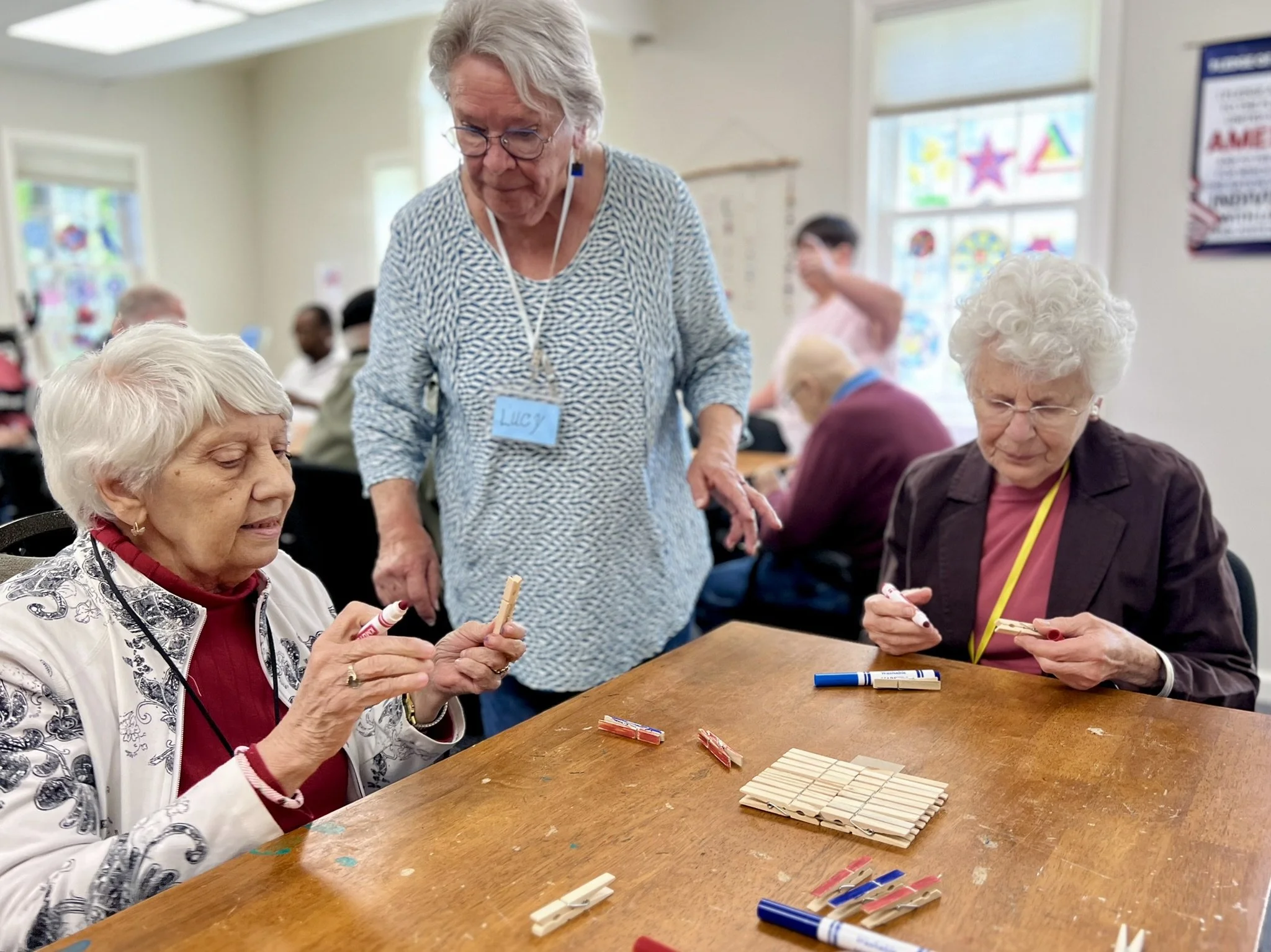
15 Signs Your Elderly Parent Is Lonely
Emotional Signs
Loss of interest in hobbies
Frequent sadness
Increased anxiety
Behavioral Signs
Staying home all day
Avoiding social interactions
Sleeping more than usual
Physical Signs
Weight loss or gain
Decline in hygiene
Lack of energy
Why This Happens
Common causes include:
Loss of spouse or friends
Mobility limitations
Family living far away
Lack of daily structure
What Actually Helps
Here’s what works:
Daily social interaction
Structured routines
Group activities
Mental stimulation
Not just occasional visits.
A Real Solution Many Families Overlook
Programs designed specifically for seniors provide:
Social connection
Daily engagement
Activities and interaction
Safe supervision
This environment helps rebuild routine and purpose.
Final Thoughts
If your parent is lonely, ignoring it won’t fix it.
The right level of daily engagement can completely change their mental and emotional health.
Forget to eat regularly
Show aggression or confusion
Experience frequent falls
Dementia doesn’t mean immediate full-time care—but it does require support at the right time.
Making the decision early can prevent serious risks.